Peer-reviewed article · 2024
Prospective analysis of sex differences and factors associated with suicidal thoughts and behaviours in young people from the MILESTONE Italian sample
Torino G, Leone S, Cortese S, Dieleman G, Gerritsen S, Maffezzoni D, Martella D, Micciolo R, Singh S, Street C, Tuffrey A, Walker L, Zamparini M, de Girolamo G, Italian MILESTONE Consortium
Scientific Reports, 14(1), 25206
Abstract
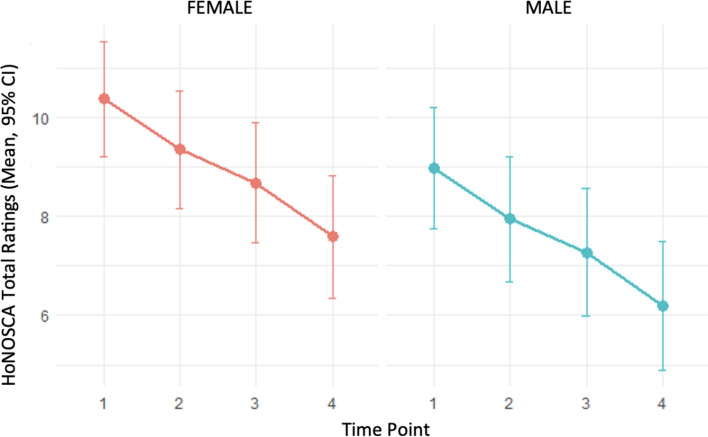
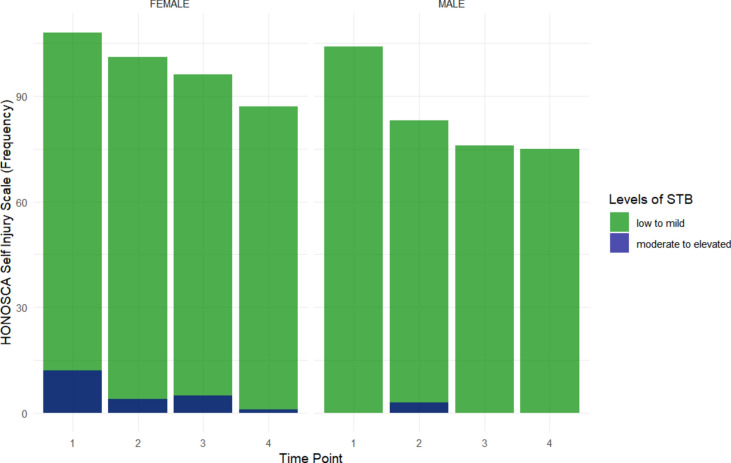
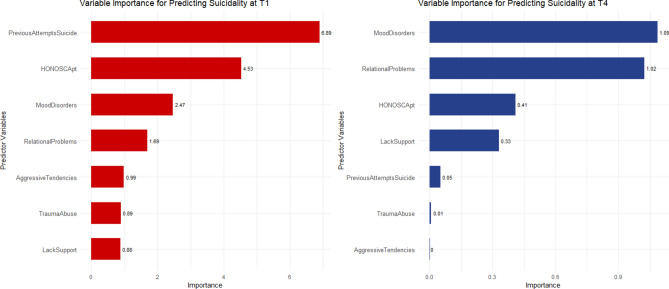
Suicide is a significant leading cause of death among young people, particularly those struggling with mental disorders. The present study utilised data from 230 young people (aged 16-18 years) undergoing a transitional care process from Child and Adolescent Mental Health Services to Adult Mental Health Services within the MILESTONE European project (2014-2019), a longitudinal cluster randomised controlled trial. The objectives of this study were to monitor temporal patterns of general health and social functioning over two years, to detect sex differences, and to identify factors associated with Suicidal Thoughts and Behaviours (STB) at the first and last time points. The results demonstrate a decrease in STB over the two-year follow-up period among all participants. Females exhibited a higher prevalence of STB across all time points, whereas males only exhibited STB at the nine-month follow-up. The most influential factors associated with STB were previous suicide attempts and mood disorders at baseline, and mood disorders and relational problems at the end of follow-up. These findings emphasise the importance of monitoring STB and informing young people undergoing a transitional care period about its key risk factors. Moreover, sex differences in STB suggest the need for different preventive strategies for males and females.
Figures and tables
Reproduced without modification from: Torino G, Leone S, Cortese S, Dieleman G, Gerritsen S, Maffezzoni D, Martella D, Micciolo R, Singh S, Street C, Tuffrey A, Walker L, Zamparini M, de Girolamo G, Italian MILESTONE Consortium (2024). Prospective analysis of sex differences and factors associated with suicidal thoughts and behaviours in young people from the MILESTONE Italian sample. Scientific Reports, 14(1), 25206. https://doi.org/10.1038/s41598-024-76605-5. Licensed under CC BY-NC-ND 4.0.